

HCC's Monthly Care Tip Topic
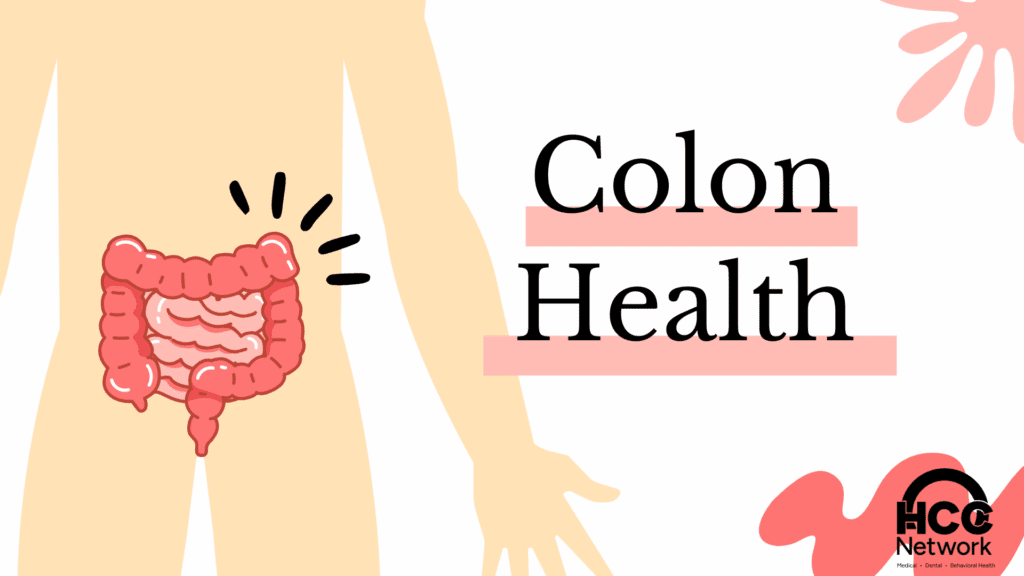
Colon Cancer
- Why Early Screening Matters
- Who Should Be Screened & When?
- Risk Factors
- Signs & Symptoms
Colon cancer is preventable—and screening starting at age 45 could save your life.
Why Early Screening Matters
Colorectal cancer (which includes cancers of the colon and rectum) is one of the most common cancers in the United States, but it’s also one of the most preventable and treatable when detected early.
Regular screening can find precancerous growths (polyps) before they become cancer and can detect cancer at an early stage when treatment is most effective.
Non-invasive, at-home options include Cologuard and FIT test.
Who Should Be Screened & When?
- Adults at average risk should begin regular screening at age 45, continuing through age 75
- If you have a first degree relative diagnosed with colon cancer, a history of colorectal polyps, ulcerative colitis, Chron’s Disease, you should talk to your provider about screening earlier.
Risk Factors
- Most cases occur in adults over 50, but rates are rising in younger people
- Family history of colorectal cancer or advanced polyps
- Inflammatory bowel disease (Crohn’s or ulcerative colitis)
- Inherited syndromes (e.g., Lynch syndrome, FAP)
- Lifestyle factors: Obesity, lack of physical activity, diet high in red/processed meats, smoking, and heavy alcohol use
Signs & Symptoms
Colon cancer can develop without obvious symptoms. However, seek medical advice if you notice any of the following:
- Blood in the stool or rectal bleding
- Persistent change sin bowel habits (diarrhea, constipation)
- Abdominal pain or cramping
- Unexplained weight loss
New Patients Welcome!
If you are in need of Medical, Dental or Behavioral Health services, HCC Network clinics are here for you.
General Health and Primary Care:
- Well Care (annual exams, check-up)
Cold, flu, or COVID-like symptoms (e.g., cough, fever, sore throat)
Allergies or sinus infections
Rashes or skin conditions (e.g., eczema, acne, bug bites)
Minor injuries (e.g., sprains, cuts, burns)
Medication refills or adjustments
Follow-up visits after hospital or ER discharge
Birth control consultations or refills
- STI Screenings and treatment
Pediatrics:
Fever, cough, or colds in children
Behavioral health concerns
Minor rashes or skin issues
Developmental or nutrition questions
Chronic Conditions:
- Diabetes check-ins
- High blood pressure or cholesterol management
- Asthma or COPD follow-up
- Thyroid condition monitoring
Dental:
- Exams
- Fluoride Treatment
- Oral Pain Evaluation
Behavioral Health:
- Therapy
- Medication Consultation

